
A TV installer is a professional who mounts your television safely on a wall, hides the cables, and sets everything up so it works. In Ireland, a good TV installer matches the bracket to your wall type and TV weight, positions the screen at a comfortable height, and often helps with Saorview, Freesat, Sky, or Virgin Media connections. The cost depends on your TV size, wall type, and how much cable concealment you want.
Most TVs in Irish homes still sit on a stand or unit. Wall mounting frees up floor space and gives a cleaner look, but it is also a job where small mistakes have expensive consequences. A bracket fixed into the wrong wall can fail, and a TV can be damaged in seconds. This guide explains what a TV installer actually does, what affects the price, and how to hire the right one.
What Does a TV Installer Do?
A TV installer takes your TV from the box, or from its stand, to a finished, working installation. The job usually includes:
- Checking the wall and choosing the right fixings
- Fitting the bracket and mounting the TV securely and level
- Positioning the screen at the right height and angle
- Tidying or concealing cables
- Connecting your sound bar, console, streaming box, or decoder
- Tuning or testing your TV signal
If you are comparing options, our TV installation service page shows how we handle the process from start to finish.
TV Installer Services in Ireland
TV Wall Mounting
This is the core service. The installer fits a bracket to your wall and mounts the TV. A TV wall mounting service should always match the bracket’s weight rating and VESA pattern to your TV, and your wall type to the fixings used.
Cable Concealment
Visible cables are the first thing people want gone. Options range from neat trunking on the surface to routing cables behind the wall. Running a new power point inside a wall is electrical work, so ask whether a registered electrician is needed.
Soundbar and Home Cinema Setup
Soundbars, surround speakers, and games consoles all add cables and positioning decisions. A home cinema and soundbar setup done at the same time as mounting avoids drilling the wall twice.
Saorview, Freesat, Sky, and Aerial Help
Many Irish households rely on Saorview or satellite. Some installers handle aerials and set-top boxes as well as mounting. Ask about this when you book if you want everything done in one visit. See our aerial and satellite services for details.
Smart TV and Streaming Setup
Getting Netflix, Disney+, RTÉ Player, and other apps connected and logged in is part of a complete installation.
What Types of Walls Can a TV Be Mounted On?
The wall decides which fixings are safe, and this is where DIY mistakes usually happen.
| Wall type | What to know |
| Solid concrete or block | Strong, but needs the right masonry anchors and a proper drill |
| Plasterboard or dry-lined | Many Irish homes have these. A heavy TV needs fixing into studs or with suitable cavity fixings |
| Brick | Fine with correct anchors, but the mortar joints matter |
| Hollow block | Needs specific fixings, because standard plugs can fail |
| Chimney breast | Check for heat and flues before mounting above a fireplace |
| Stud/timber partition | Needs fixing into the timber, not just the board |
A professional checks the wall first, often with a stud and cable detector, before drilling.
Choosing the Right TV Bracket
There are three common types:
- Fixed: sits flat to the wall, gives the slimmest look, and has no movement.
- Tilt: angles the screen down. It is good for a TV mounted a little high, and it reduces glare.
- Full-motion (swivel): pulls out and turns, which is useful in corner positions, open-plan rooms, or when viewing from several seats.
Two numbers matter. The first is the weight rating, which must be higher than your TV’s weight. The second is the VESA pattern, the hole spacing on the back of the TV, which must match the bracket.
How High Should You Mount a TV?
A good rule is to put the centre of the screen at roughly your seated eye level. In many living rooms that is around one to one and a half metres off the floor. Mounting too high is the most common mistake, and it causes neck strain. Above a fireplace is often too high, and the heat can also affect the TV. If you want that position, use a tilt bracket and think about heat and viewing distance.
Cost: What Affects TV Installer Prices in Ireland?
Prices vary, and a fair quote depends on several factors:
- TV size and weight. Larger TVs need stronger brackets and often two people.
- Wall type. Solid walls and difficult surfaces take more time and the right tools.
- Bracket type. Fixed brackets are cheaper than full-motion ones, and brackets may be extra if the installer supplies them.
- Cable concealment. Surface trunking costs less than in-wall routing.
- Extra equipment. Soundbars, shelves, and consoles add time.
- Signal work. Aerial, satellite, or Saorview work is usually quoted separately.
- Location and timing. Distance, evening, and weekend slots can affect the price..
DIY vs Hiring a TV Installer
Mounting a small TV on a solid wall is possible for a confident DIYer. Professional installation makes sense when:
- The TV is large or heavy (many people use 50 inches and above as a rough line)
- The wall is plasterboard, hollow, or unknown
- You want hidden cables
- The TV will hang above a fireplace or in a hard-to-reach spot
- You do not own a stud finder, level, and the right drill
- A fall would risk injury to children, pets, or the TV itself
A professional also usually brings the right fixings, which is often what separates a secure job from a risky one.
How to Choose a TV Installer in Ireland
Look for these before you book:
- Clear quoting. A written or confirmed price before they start, with extras explained.
- Wall knowledge. They ask what your wall is made of rather than guessing.
- Proper fixings and brackets. They explain the weight rating and why they chose it.
- Insurance. Ask about cover for damage to your TV or home.
- Reviews and photos. Look for recent customer feedback and examples of finished work.
- Electrical competence. For any new socket or in-wall power, they should use a registered electrician.
- Cleanliness and tidiness. A good installer protects floors and removes packaging.
- Local availability. An installer who works in your county is easier to book and re-book.
What Happens on Installation Day
A typical visit follows a clear order:
- The installer inspects the wall and agrees the position and height with you.
- They mark the fixing points, drill, and fit the bracket.
- They attach the fittings to the TV and lift it into place.
- They level and test the TV.
- They connect and tidy the cables, then set up your devices and signal.
- They show you how everything works and clean up.
A standard single-TV job often takes around one to two hours, and longer if you add cable concealment or extra equipment.
Frequently Asked Questions
What does a TV installer do?
A TV installer mounts your TV on a wall using the right bracket and fixings, positions it at a comfortable height, conceals or tidies cables, and connects your devices so everything works.
How much does it cost to hire a TV installer in Ireland?
The price depends on TV size, wall type, bracket choice, cable concealment, and any extra equipment or signal work. Always get a quote that lists what is included.
How long does TV installation take?
A standard single-TV mounting often takes one to two hours. Cable concealment, soundbars, or complex walls can add time.
Can any wall hold a wall-mounted TV?
Most walls can, provided the correct fixings are used. Solid walls are the simplest, while plasterboard and hollow walls need studs or specialist fixings. A professional checks the wall before drilling.
Do I need to buy my own TV bracket?
Not always. Some installers supply the bracket, and others fit one you already have. Make sure its weight rating exceeds your TV’s weight and that it matches your TV’s VESA pattern.
Can a TV installer hide the cables?
Yes. Options range from surface trunking to routing cables inside the wall. Adding a new power socket is electrical work and should be done by a registered electrician.
What height should I mount my TV?
Aim for the centre of the screen to sit near your seated eye level, which is often around one to one and a half metres from the floor in a living room. Avoid mounting too high.
Can I mount a TV above a fireplace?
It is possible, but you should check heat, flues, and viewing angle first. A tilt bracket helps, though the position is often too high for comfortable viewing.
Can a TV installer set up Saorview, Freesat, or Sky?
Many can, but not all. Ask when you book so it can be done in the same visit.
Is it safe to mount a TV myself?
For a small TV on a solid wall, it can be. For heavy TVs, plasterboard walls, or concealed cabling, a professional installation lowers the risk of damage and injury.
Conclusion
A good TV installer protects your TV, your wall, and your time. Choose one who checks the wall, quotes clearly, uses the right fixings, and leaves the finished job tidy. To get started, book a TV installer or visit the TV Pro
continue reading
Related Posts
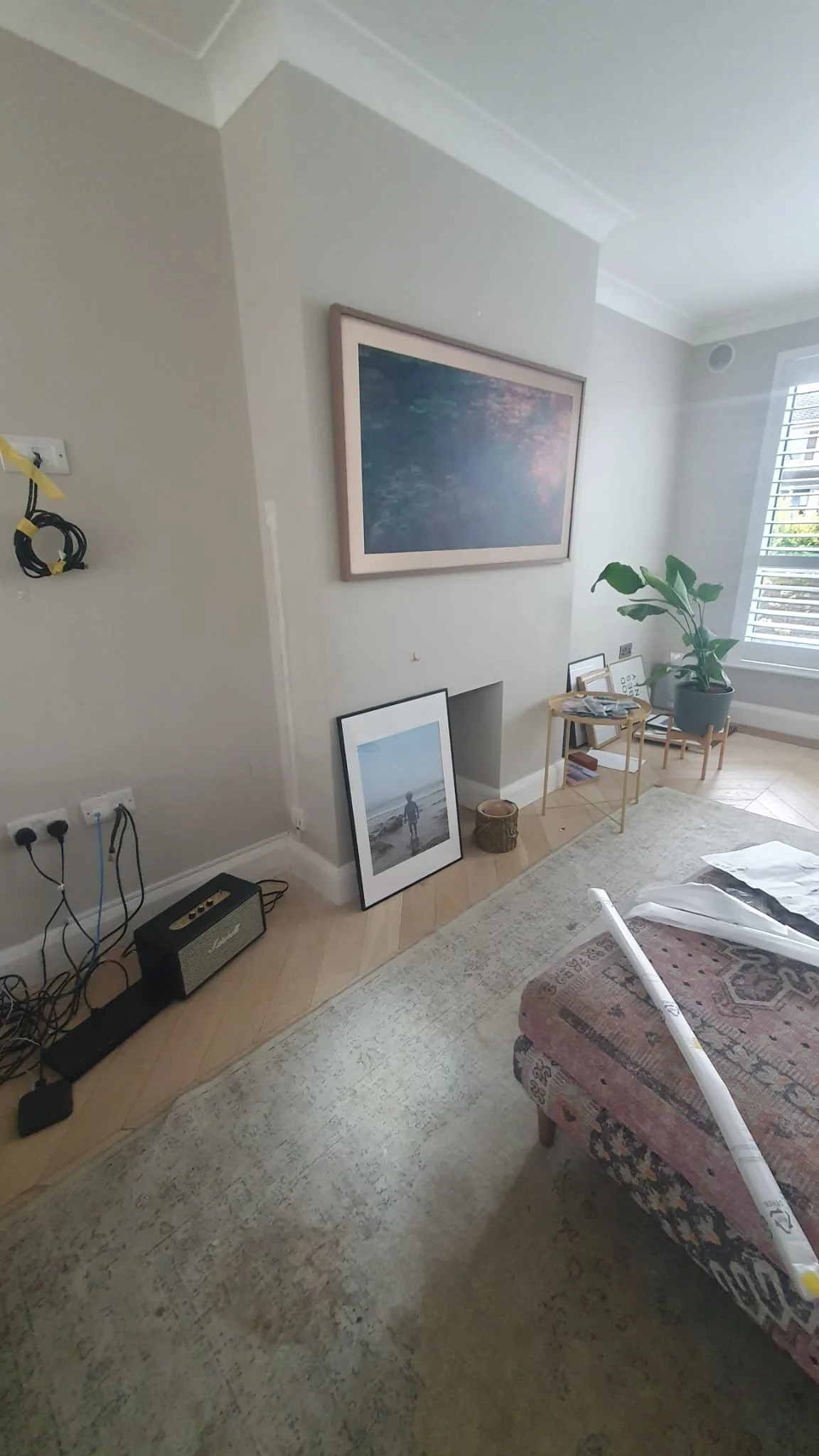
Professional Samsung Frame installation in Castleknock, Dublin 15: a 55-inch Frame Plus mounted flush on a chimney breast with the power cable fully hidden.
As we know, outdoor activities are already limited nowadays. We
When you’re spending your money on getting a premium TV,