
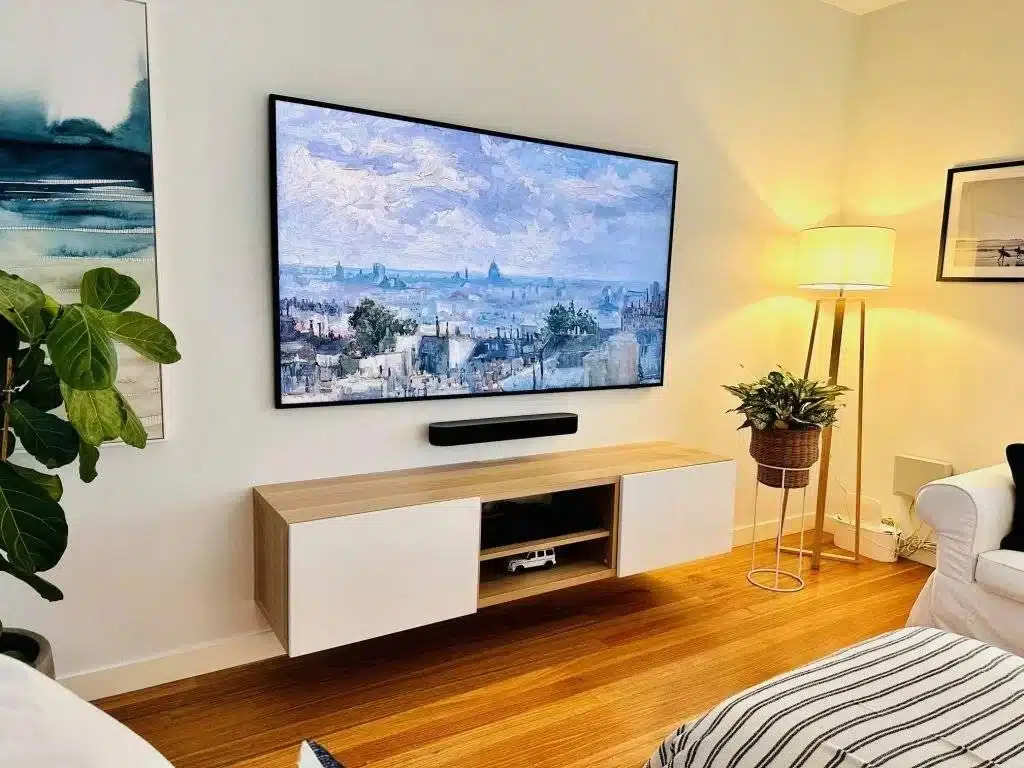
Wall television installation has become one of the most popular home improvement upgrades in modern houses and apartments. Many homeowners now prefer mounting televisions on walls instead of placing them on traditional TV stands. A wall-mounted television creates a cleaner appearance, saves space, improves viewing angles, and gives entertainment areas a more modern look. Whether it is a living room, bedroom, office, or gaming setup, wall television installation has become an important part of modern interior design.
At the same time, proper television mounting is more complicated than many people think. A poorly installed television may create safety risks, damaged walls, loose brackets, cable problems, or uncomfortable viewing positions. This is why proper planning, correct mounting equipment, and professional installation methods are extremely important for long-term stability and viewing comfort.
Why Wall Television Installation Has Become Popular
Modern Homes Prefer Minimalist Designs
Modern interior design trends focus heavily on clean layouts, minimal furniture, and organized spaces. Wall-mounted televisions help create this appearance by removing bulky TV stands and reducing visible clutter. Many homeowners prefer floating entertainment setups because they make rooms appear larger, cleaner, and more organized.
Wall-mounted televisions also improve overall room aesthetics. Hidden wires, centered positioning, and balanced layouts help entertainment spaces look more modern and professional. This is one reason wall television installation continues growing in popularity across homes, offices, apartments, and commercial spaces.
- Creates a cleaner and more modern appearance
- Removes bulky television stands
- Makes smaller rooms feel more spacious
- Supports minimalist interior design styles
- Improves overall room organization
- Enhances entertainment area aesthetics
Better Viewing Angles and Comfort
Another major reason people choose wall television installation is improved viewing comfort. A properly mounted television can be positioned at the ideal eye level, reducing neck strain and improving the viewing experience. Wall mounts also allow better positioning based on seating arrangements and room size.
Some wall mounts even include adjustable movement features such as tilting and swivel rotation. These options help viewers adjust screen angles depending on lighting conditions or seating positions inside the room.
- Improves eye-level viewing comfort
- Reduces neck and posture strain
- Allows better positioning for seating layouts
- Adjustable mounts improve viewing flexibility
- Tilting options reduce screen glare
- Swivel mounts support multiple viewing angles
Types of Wall Television Mounts
Fixed TV Wall Mounts
Fixed television mounts are among the most common wall mounting options. These mounts hold the television flat against the wall without movement or adjustment. They are popular because they create a sleek appearance and usually cost less than advanced mounting systems.
Fixed mounts work best when the viewing position remains consistent, and the television is installed at the proper eye level. Since they do not move, installation accuracy becomes extremely important.
- Keeps the television flat against the wall
- Creates a sleek and modern appearance
- Usually more affordable than adjustable mounts
- Best for fixed seating arrangements
- Requires accurate installation height
- Common in living rooms and bedrooms
Tilting TV Mounts
Tilting television mounts allow the screen to angle slightly upward or downward. These mounts are useful when televisions are installed higher on walls, such as above fireplaces or inside bedrooms. Tilting helps reduce glare from windows and lighting while improving viewing comfort.
This type of mount is especially helpful in rooms where seating positions vary slightly or natural light creates reflection issues during daytime viewing.
- Allows vertical screen angle adjustment
- Helps reduce light reflection and glare
- Improves viewing from elevated positions
- Common above fireplaces and high walls
- Supports better viewing flexibility
- Useful in bright rooms with windows
Full Motion TV Mounts
Full motion mounts provide the highest level of flexibility. These mounts allow televisions to extend outward, swivel side to side, and tilt vertically. They are ideal for larger rooms, corner installations, and multi-angle viewing setups.
Although full motion mounts offer excellent flexibility, they also require stronger installation support because of increased movement and weight distribution.
- Provides maximum viewing flexibility
- Supports swivel and tilt movement
- Ideal for large or open rooms
- Useful for corner television setups
- Allows multi-angle viewing adjustment
- Requires strong wall support systems
Important Factors Before Installing a Wall Television
Wall Strength and Material
Before mounting a television, the wall strength must be evaluated carefully. Different wall materials provide different levels of support. Concrete walls, brick walls, drywall, and wooden stud walls all require different installation methods and mounting hardware.
Heavy televisions require strong structural support. Installing a television incorrectly on weak surfaces may create serious safety risks, including bracket failure and falling screens.
- Wall material affects installation method
- Heavy televisions require stronger support
- Drywall installations need stud alignment
- Concrete walls require specialized drilling
- Weak walls increase safety risks
- Proper hardware is extremely important
Television Size and Weight
Television size directly affects the type of wall mount required. Larger televisions need stronger mounting brackets with a higher weight capacity. Installing an oversized television on weak hardware may create instability and long-term safety problems.
Researchers and installers also consider viewing distance when selecting television size. Extremely large screens in small rooms may reduce viewing comfort rather than improve it.
- Larger televisions require stronger brackets
- Weight capacity must match the television size
- Improper mounts create instability risks
- Viewing distance affects screen selection
- Oversized screens may reduce comfort
- Weight distribution matters during installation
Cable Management and Clean Setup Design
Why Cable Organization Matters
One of the biggest advantages of wall television installation is achieving a clean entertainment setup. However, visible hanging cables can ruin the appearance completely. Proper cable management helps maintain a modern and organized look while also improving safety.
Many installations now include hidden cable systems, wall conduits, cable raceways, or in-wall wire routing to reduce visible clutter around mounted televisions.
- Hidden cables improve the room’s appearance
- Organized wiring creates cleaner setups
- Loose cables may create safety hazards
- Cable systems improve visual aesthetics
- In-wall routing supports minimalist designs
- Proper organization improves maintenance access
Power and Connectivity Planning
Before installation begins, power outlets and device placement should be planned carefully. Streaming devices, gaming consoles, sound systems, and internet connections all require proper cable routing and accessibility.
Poor planning may result in exposed wires, difficult device access, or additional installation costs later. Professional installers often plan connectivity systems before mounting the television itself.
- Power outlet placement is important
- Gaming systems require connection planning
- Streaming devices need accessible positioning
- Internet and HDMI cables require routing
- Poor planning may create visible clutter
- Organized layouts improve long-term usability
Professional TV Installation vs DIY Installation
Why Many Homeowners Choose Professional Installation
Although some people install televisions themselves, many homeowners prefer professional TV installation services. Professionals understand wall structures, mounting hardware, cable management, viewing angles, and safety procedures. This reduces installation risks significantly.
Professional installers also use specialized tools for alignment, drilling accuracy, stud detection, and secure mounting. This helps create safer and cleaner installations compared to rushed DIY setups.
- Professionals understand structural safety
- Specialized tools improve installation accuracy
- Proper alignment creates a better appearance
- Reduced risk of wall or screen damage
- Professionals manage cable organizations better
- Secure mounting improves long-term stability
Risks of Poor DIY Installation
Improper DIY installation may lead to loose mounts, damaged walls, uneven positioning, exposed cables, or televisions falling. Some homeowners underestimate the weight or use incorrect mounting hardware, creating serious safety risks.
While DIY installation may appear cheaper initially, mistakes may result in expensive repairs or damaged equipment later.
- Incorrect hardware may cause instability
- Uneven mounting affects viewing comfort
- Weak installation may damage walls
- Falling televisions create safety hazards
- Poor cable organization reduces aesthetics
- Repair costs may exceed installation savings
Conclusion
Wall television installation has become an important part of modern home design because it improves aesthetics, saves space, and enhances viewing comfort. Whether using fixed mounts, tilting systems, or full-motion brackets, proper installation planning is essential for safety and long-term performance.
Successful television mounting depends on several factors, including wall strength, television weight, viewing angle, cable management, and installation quality. While DIY installation may work in some situations, professional installation often provides better safety, cleaner appearance, and improved reliability. A properly installed wall television is not just about mounting a screen; it is about creating a comfortable, organized, and visually balanced entertainment experience.
FAQs
What is a wall television installation?
Wall television installation is the process of securely mounting a television onto a wall using specialized brackets and mounting systems.
Which TV wall mount is best?
The best mount depends on the room layout and viewing needs. Fixed mounts are simple, while full motion mounts offer more flexibility.
Can all televisions be mounted on walls?
Most modern flat-screen televisions can be wall-mounted if they support standard mounting patterns.
Why is professional TV installation recommended?
Professional installation improves safety, alignment accuracy, cable management, and long-term mounting stability.
How high should a wall-mounted TV be installed?
The center of the television should generally align near eye level when seated comfortably for the best viewing experience.
continue reading
Related Posts
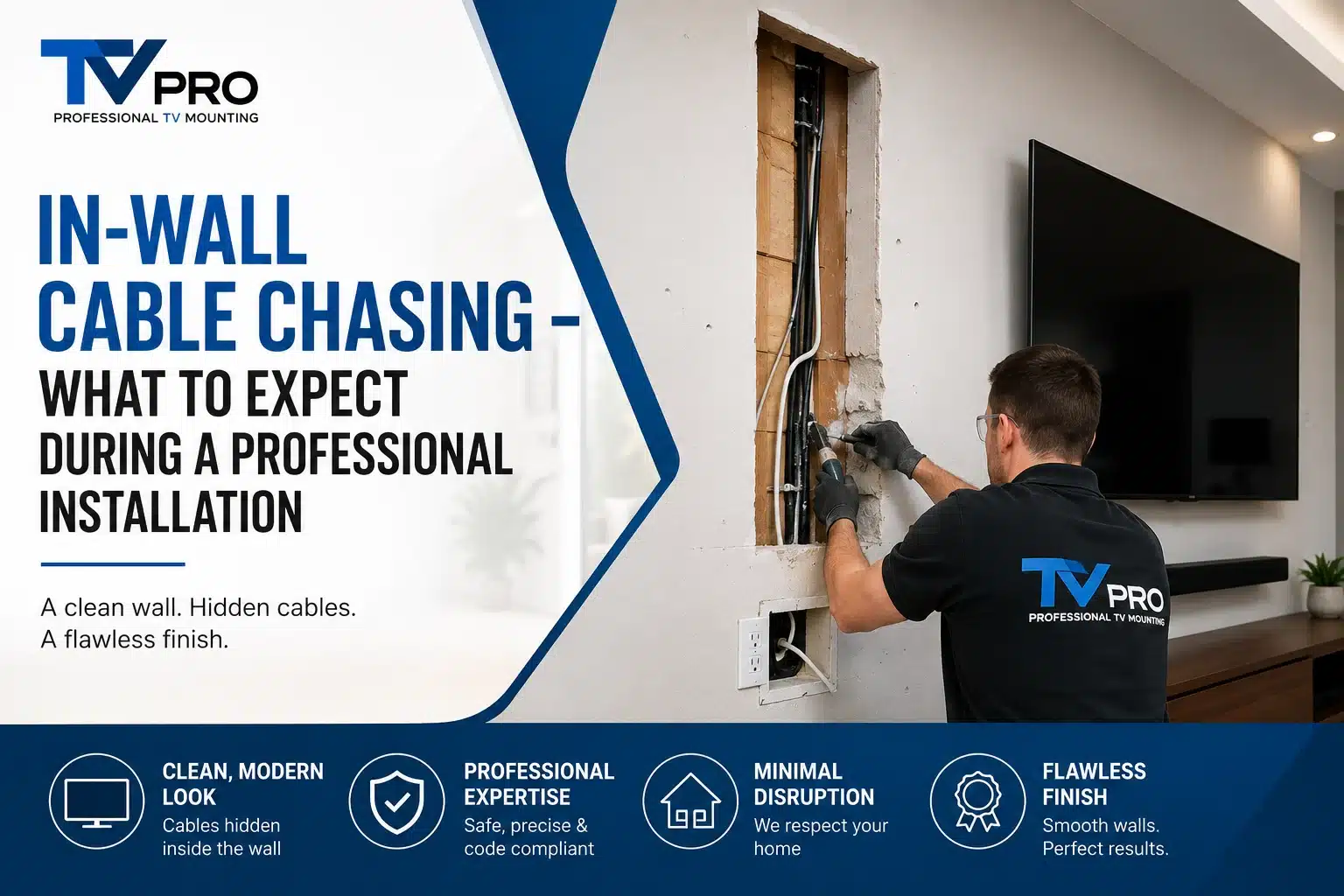
If you want a floating and wire-free TV setup in-wall
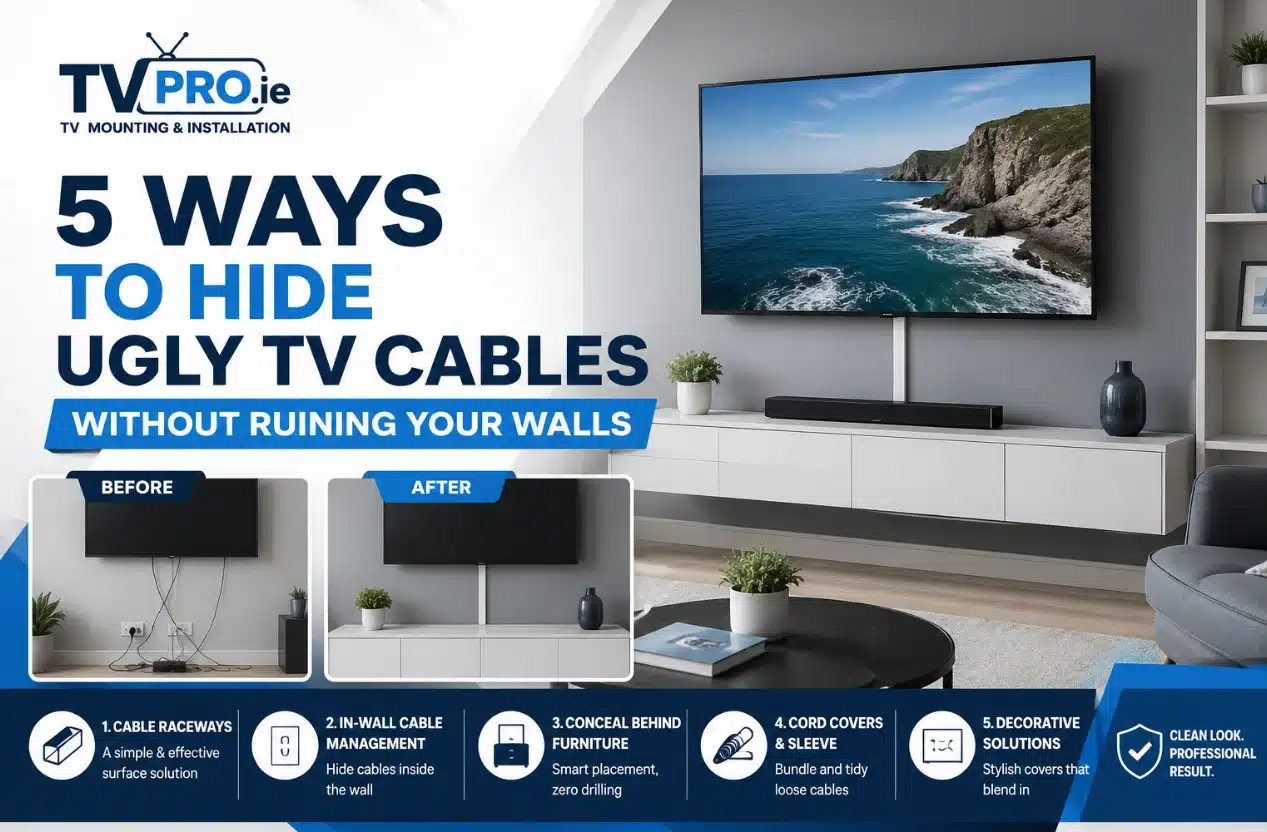
Imagine you have just purchased an ultra-thin Smart TV. You
TV wall installation ensures a safe and perfect setup. It